
Four hardwoods.
Classic American hardwoods, all native to Pennsylvania, and the backbone of fine furniture for centuries.
Every frame I build starts as a rough board of one of these four woods. That's the whole material palette. No engineered wood, no veneer over particleboard, no molding pulled by the foot from a mill's stock catalog. Just real, solid hardwood.
Compare
See your art in every wood.
Your photo stays on your device. It's only used for this preview.
Walnut
Rich and grounded. Does not go quietly.
- Tone
- Dark chocolate brown, lots of grain movement
- With time
- Lightens a little and warms toward amber.
- Best for
- Pieces that want a frame that holds its own.
White Oak
Textured and architectural. The most on-trend of the four.
- Tone
- Light, with cool undertones and open grain
- With time
- Changes the least. Its golden tones grow slightly richer.
- Best for
- Architectural or graphic pieces, and modern rooms.
Cherry
Warm and soft. Gets better every year it hangs.
- Tone
- Pink-brown at first, deepening to a golden red
- With time
- Darkens the most, to a deep reddish brown.
- Best for
- Heirloom pieces. Its color keeps deepening for generations.
Maple
Bright, light and quiet. The wood disappears.
- Tone
- Creamy and bright, close grained
- With time
- Mellows from bright cream toward warm honey.
- Best for
- Art and photos that should carry the room by themselves.
Where it comes from
Every frame was a tree first.
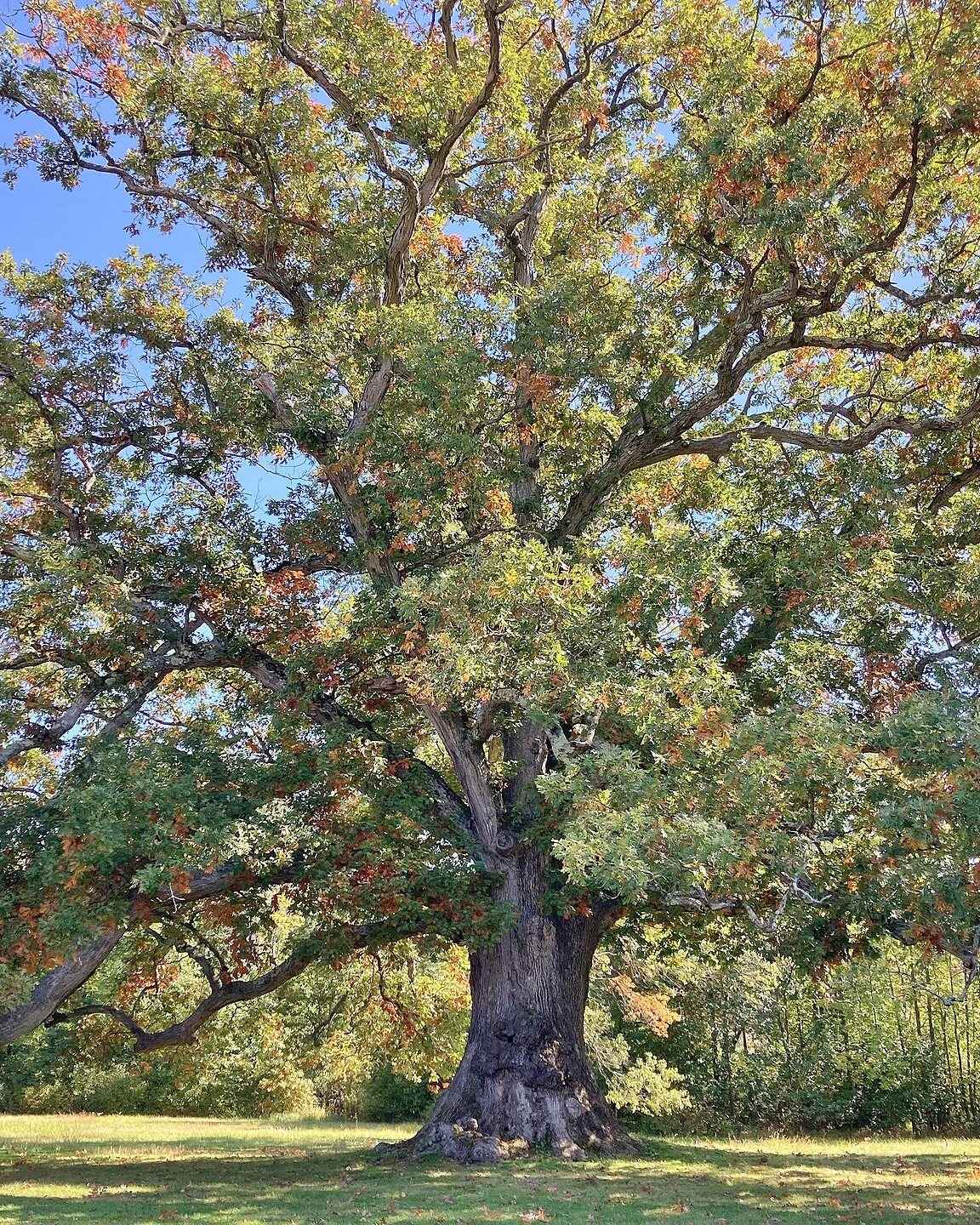
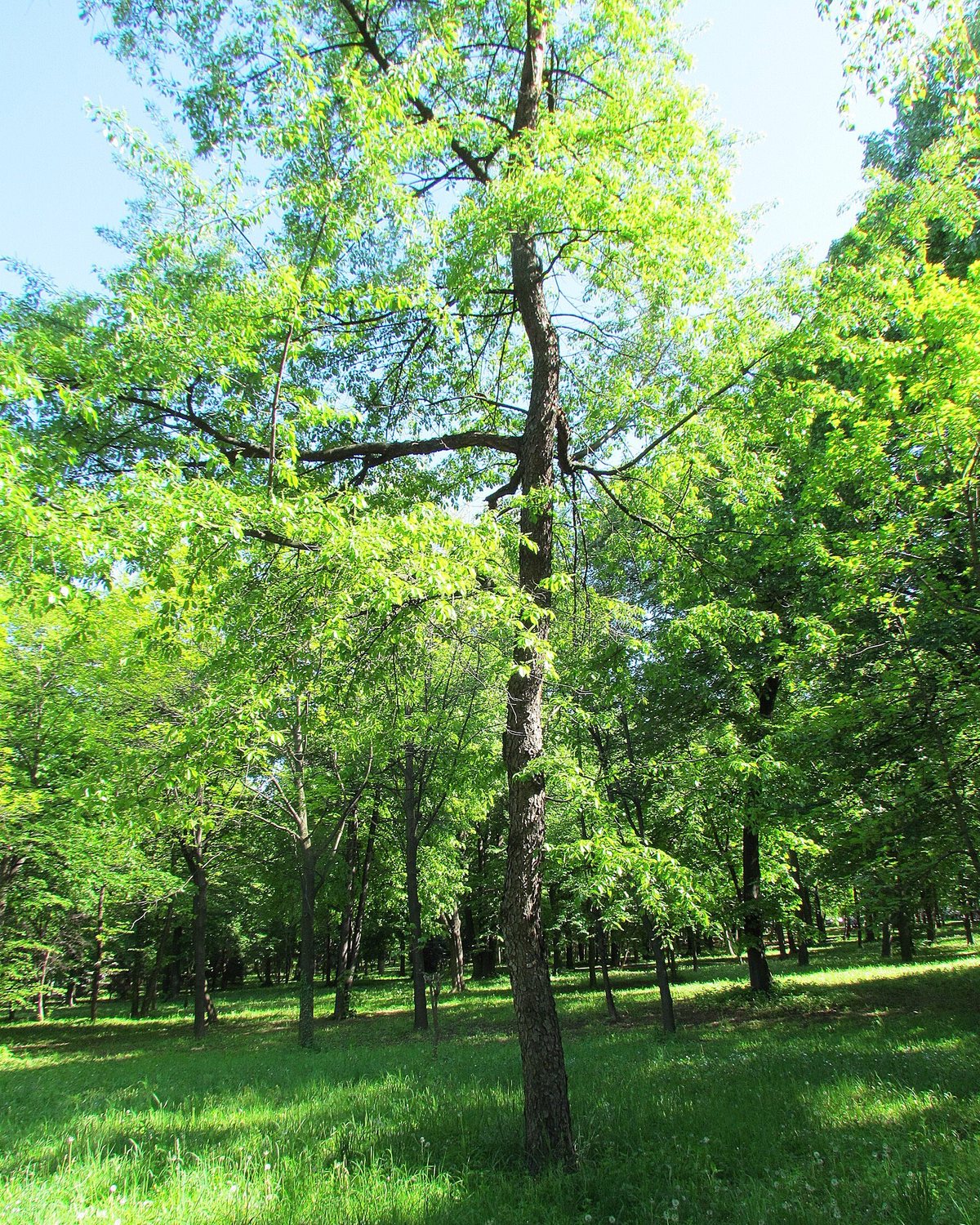
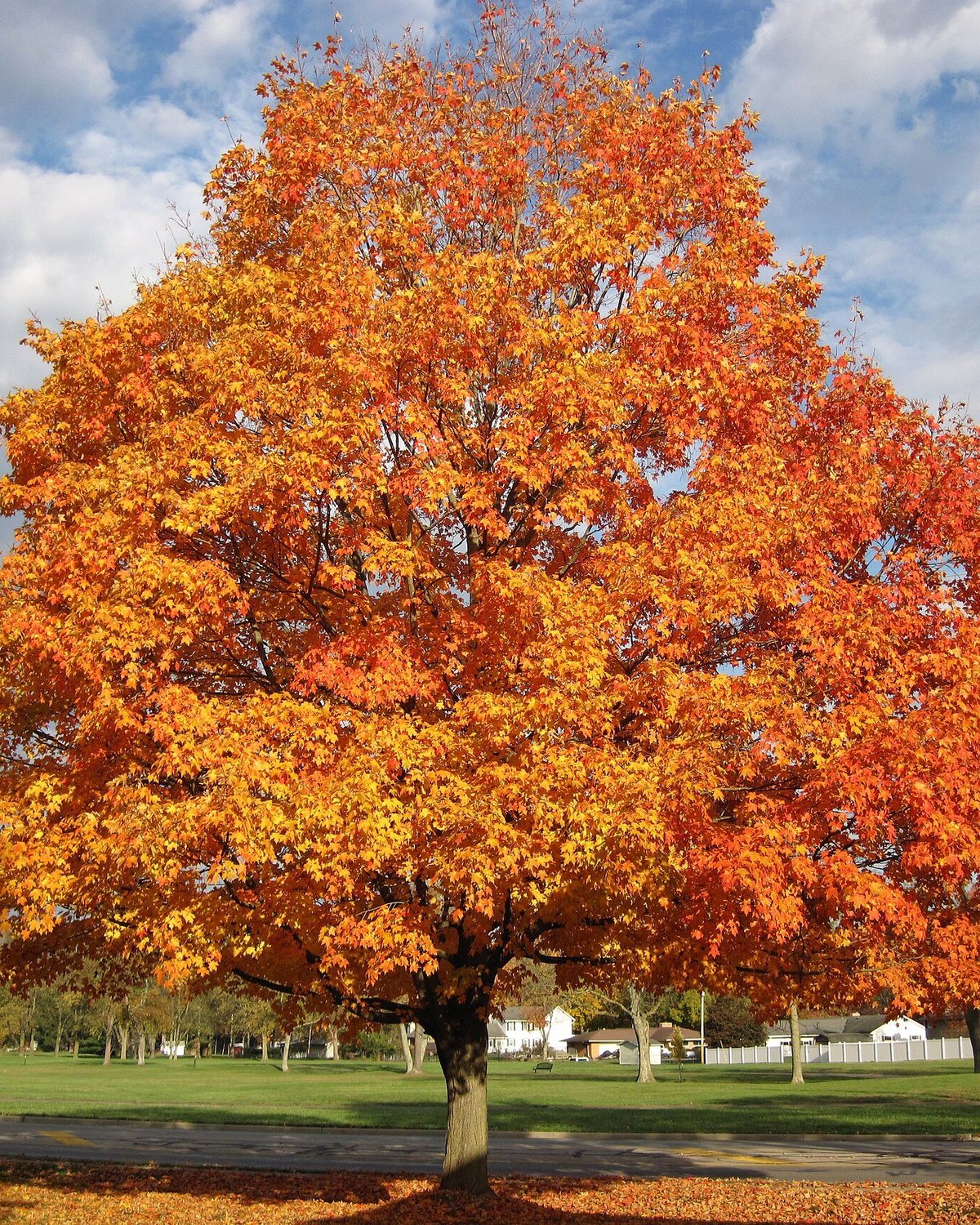
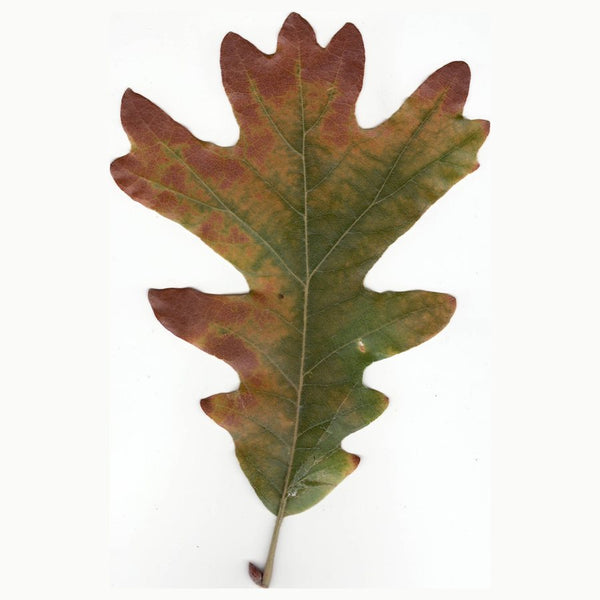
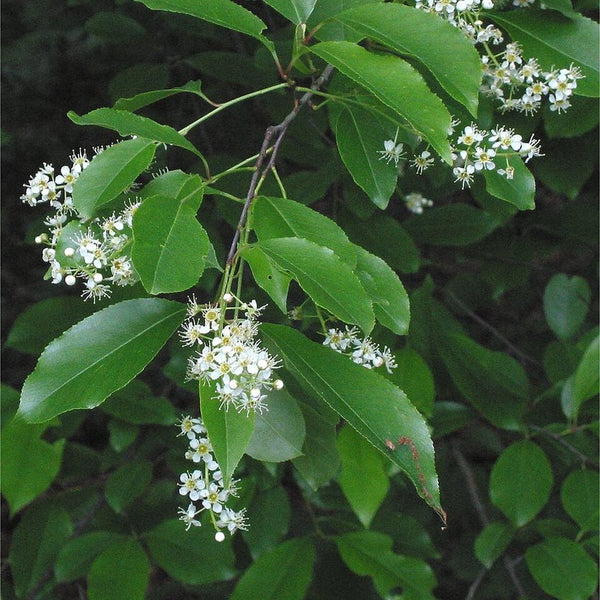
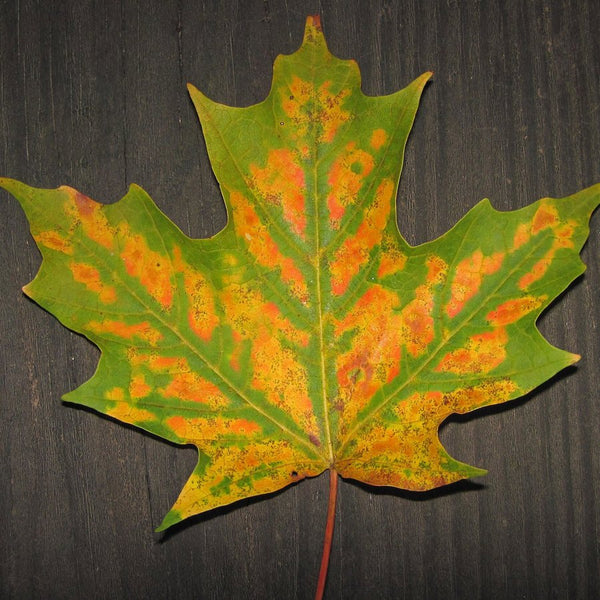
Each of these woods grew for decades before it reached my bench. Here's the tree it came from, and the leaf you'd know it by.
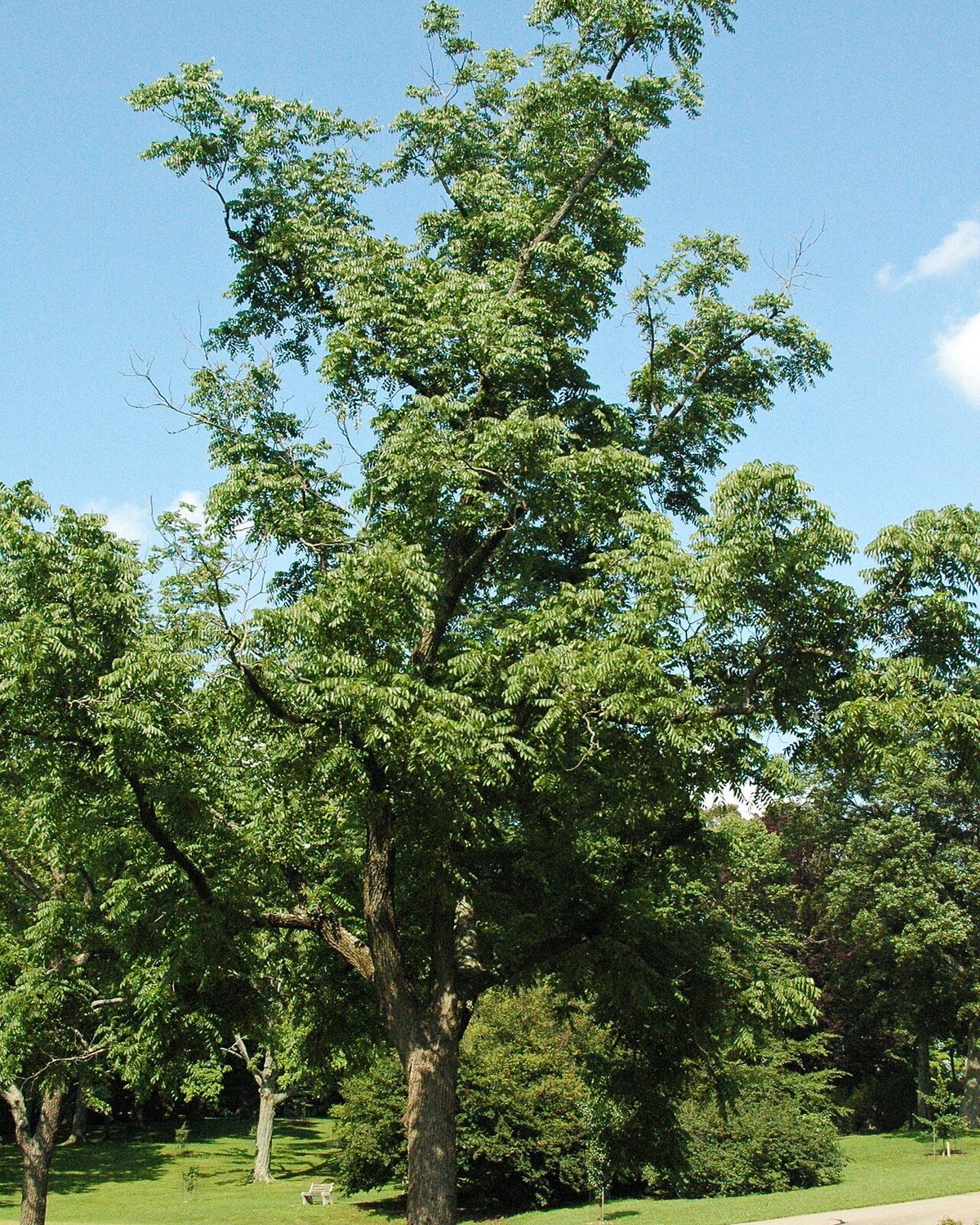
Photos: tree, James St. John (CC BY 2.0); leaf, Stefan.lefnaer (CC BY-SA 4.0). Cropped, via Wikimedia Commons.
Photos: tree, Marty Aligata (CC BY-SA 4.0); leaf, Ninjatacoshell (CC BY-SA 3.0). Cropped, via Wikimedia Commons.
Photos: tree, Gmihail at Serbian Wikipedia (CC BY-SA 4.0); leaf, Rasbak (CC BY-SA 3.0). Cropped, via Wikimedia Commons.
Photos: tree, James St. John (CC BY 2.0); leaf, James St. John (CC BY 2.0). Cropped, via Wikimedia Commons.
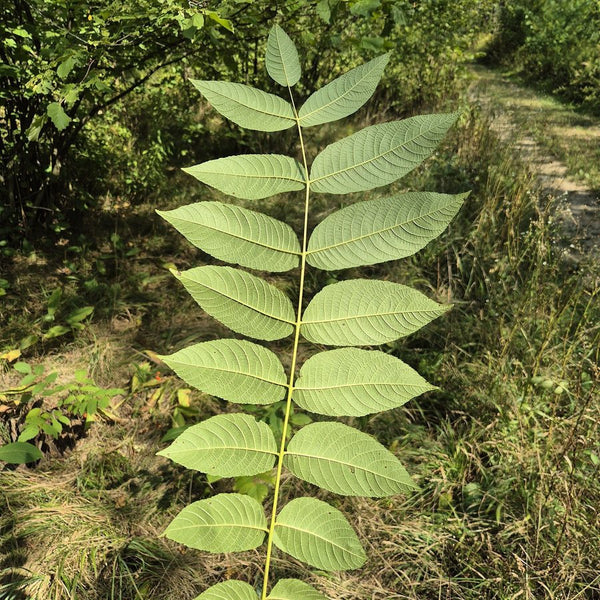
Black walnut
Juglans nigra
- Grows to
- 70 to 90 feet tall
- Takes
- 50 to 80 years to reach harvest
- Grows in
- Forests across the eastern US, Pennsylvania included
It's been the wood of American heirloom furniture since the 1700s, and its slow growth is why it's the most expensive of the four.
White oak
Quercus alba
- Grows to
- 80 to 100 feet tall
- Takes
- 50 to 100 years to reach harvest
- Grows in
- Forests across the eastern US, Pennsylvania included
Famously water resistant: the wood American shipbuilders used for hulls, and distillers still use for whiskey and wine barrels.
Black cherry
Prunus serotina
- Grows to
- 50 to 80 feet tall
- Takes
- 40 to 60 years to reach harvest
- Grows in
- Forests across the eastern US, Pennsylvania included
Furniture makers call the deepening its patina, and it's the reason cherry pieces are often worth more at fifty years old than new.
Sugar maple
Acer saccharum
- Grows to
- 60 to 80 feet tall
- Takes
- 30 to 50 years to reach harvest
- Grows in
- Forests across the eastern US, Pennsylvania included
One of the hardest domestic hardwoods, used for kitchen counters that get real work and the necks of most electric guitars.
At a glance
Choosing between them.
Walnut
ToneDark chocolate brown, lots of grain movement
CharacterRich and grounded. Does not go quietly.
With timeLightens a little and warms toward amber.
Best forPieces that want a frame that holds its own.
White Oak
ToneLight, with cool undertones and open grain
CharacterTextured and architectural. The most on-trend of the four.
With timeChanges the least. Its golden tones grow slightly richer.
Best forArchitectural or graphic pieces, and modern rooms.
Cherry
TonePink-brown at first, deepening to a golden red
CharacterWarm and soft. Gets better every year it hangs.
With timeDarkens the most, to a deep reddish brown.
Best forHeirloom pieces. Its color keeps deepening for generations.
Maple
ToneCreamy and bright, close grained
CharacterBright, light and quiet. The wood disappears.
With timeMellows from bright cream toward warm honey.
Best forArt and photos that should carry the room by themselves.
Not sure which wood suits your piece? I'm happy to help you decide. andrew@atlaswoodcompany.com
On the wall
In a real room.
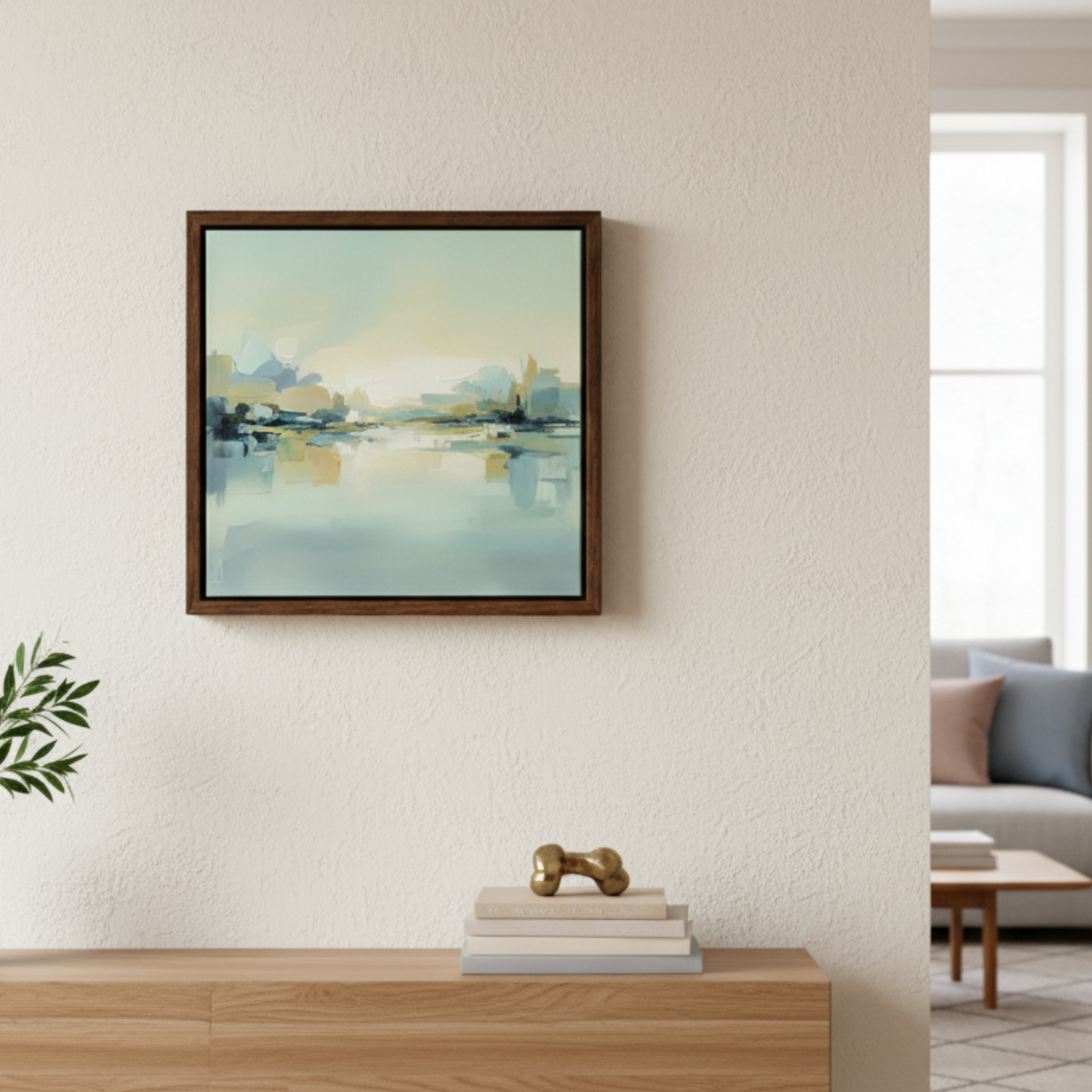
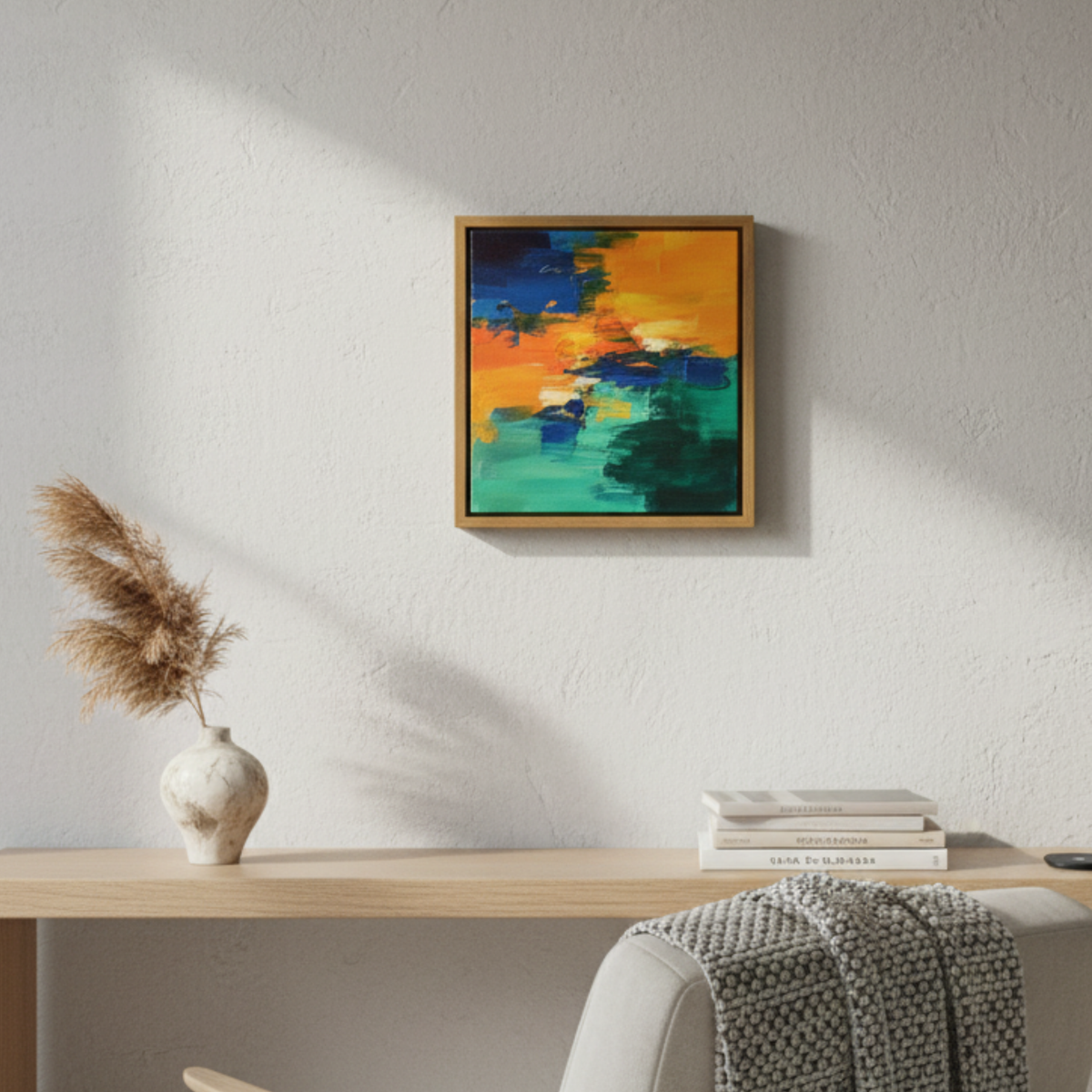
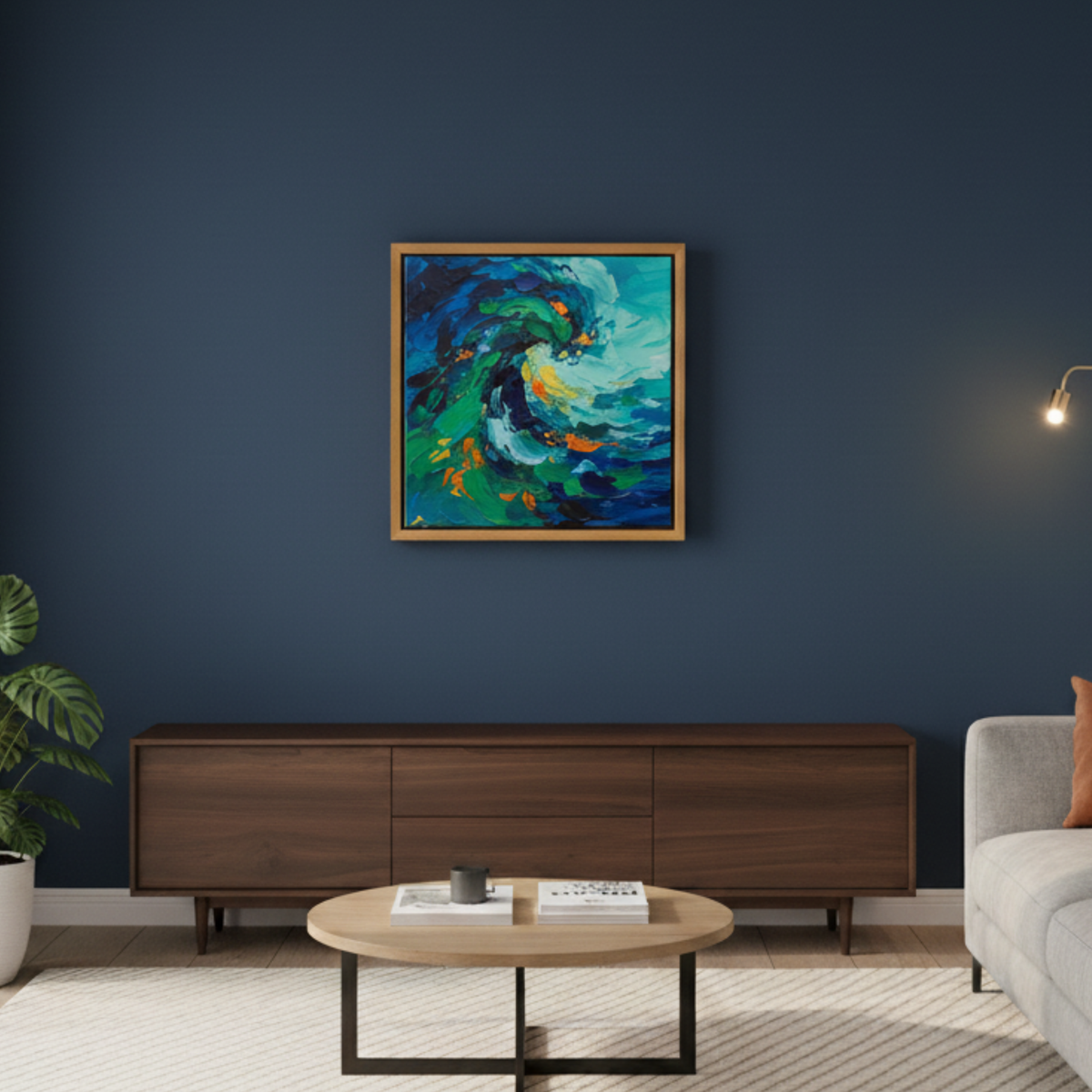
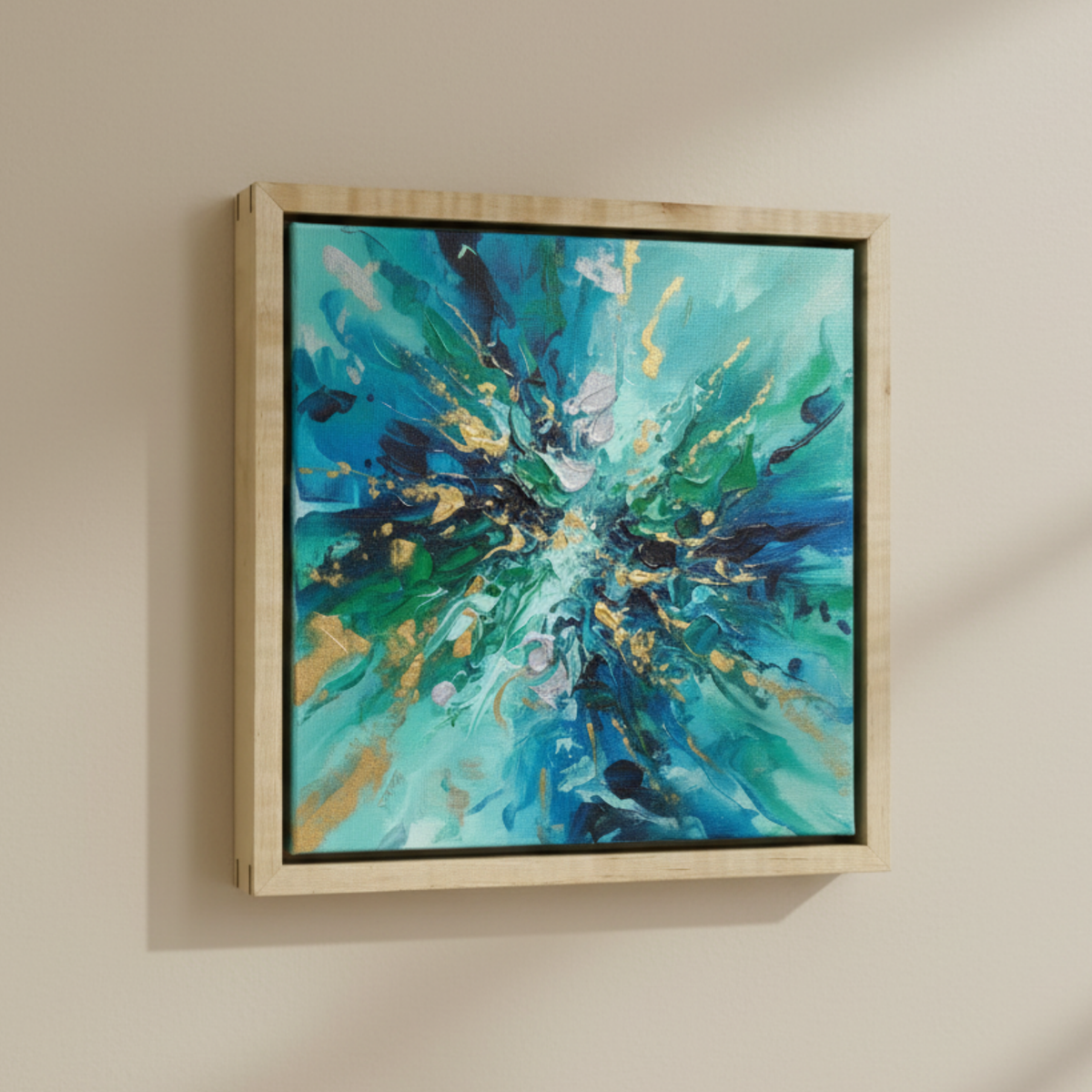
About the grain
Real wood carries its own fingerprint.
Knots, mineral streaks, and small color shifts are part of what you're paying for, not flaws to work around. Every frame is built with the grain in mind, and if I'm milling a particularly striking piece of figured wood, a curl, a burl, a stripe, I'll usually send you a photo before I cut it. Some people want that character front and center. Some want it quieter. Either way is the right answer.
How I buy it
Rough lumber from Pennsylvania mills.
I buy my lumber only from Pennsylvania sawmills. Sustainably managed forests, sensible sourcing, no exotic species. The most environmentally responsible thing a frame can do is never need replacing, and these four woods are built for that.
Still deciding?
Hold all four next to your art.
One sample of each, cut from the same boards I use for frames and finished exactly like a frame. $10, and shipping is free.